OUR STORY
Early Years
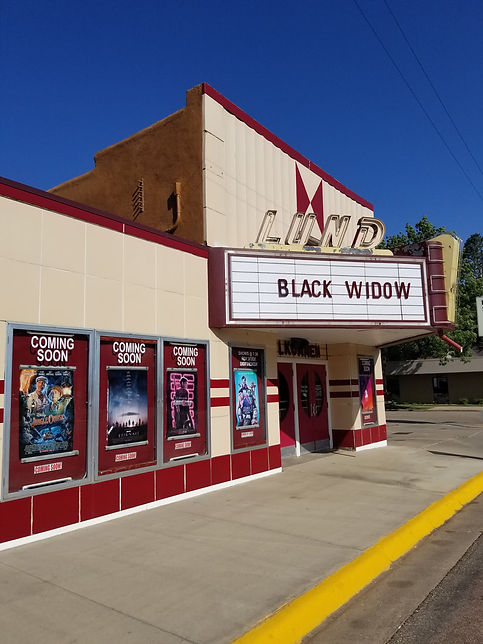
The name and location of the movie theater in Viborg may have changed over the years, Wild West Theater, Dream Theater, Glud Theater, Lund Theater, but it has always been a place of entertainment in the lives of many generations of Viborg area young and old.
There may have been previous attempts at showing some type of moving picture show within various Viborg organizations to their own membership, but the very first mention found so far of an advertised public presentation of a motion picture in our fair city occurred on Saturday evening, August 19, 1911, with the showing by a traveling motion picture company operated by a Mr. McKinzie of a documentary-type silent film entitled “The Slums of New York” presented in the meeting hall of the Danish Brotherhood Society that was located where the Wells Fargo Bank building now stands.
In March of 1913, the Wild West Theater moved out of the MWA Hall and established itself in a building of its own after a new floor is installed. That location was a narrow wood frame two story building that stood at the southwest corner of the intersection of Main Street and Blaine Avenue where today Mick’s Station is located, right next door to where the theater would be located permanently in less that three years.
The Enterprise editor John Widlon has been joined by Viborg druggist Clyde A. Keller, as co-owners of the business and move tickets are always available in advance at Keller Drug Store. Widlon and his employee John Hojem are the managers and bookers for the theater until Hojem is called to serve his country during World War I. The name is changed from Wild West Theater to Dream Theater in Mid-March of 1915. But this would be a short business venture of only about two and a half years.
Construction on the present theater building began in May of 1915 by brothers Niels Anton Jorgensen and Charles Jorgensen Glood and the finished product was ready for its film debut by October of that year. The brothers hired John Widlon to continue managing the theater and kept the name Dream Theater for their new business venture.
The brothers dissolved their partnership on January 5, 1922, and N. A. Jorgensen released Widlon from his management lease and took over the management and ownership of the theater. The Dream Theater remained with that moniker until Jorgensen renamed it the Glud Theater during the first week of April of 1925. The name and its Danish spelling referred to the place he and other members of his family had immigrated from in Denmark.